
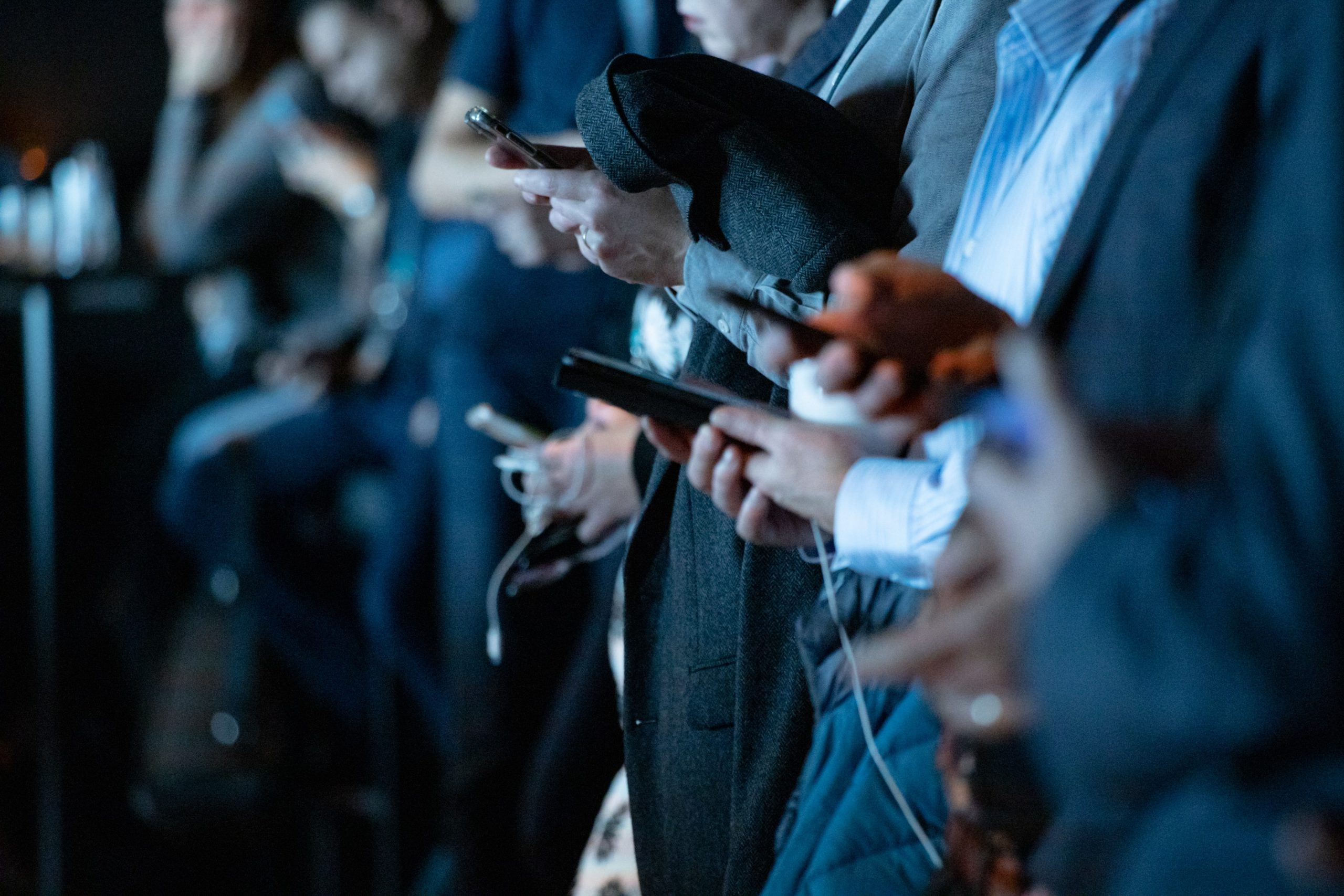
Social media is a part of life. It’s become engrained in our culture, and it’s practically unavoidable. Whether you love it or hate it, there are some pros and cons to using social media. It’s a great way to stay connected with others and share what’s going on in your life.
However, it can also pressure you and cause negative effects on your mental health. Let’s look at how social media can impact your negative health through that pressure, and what you can do to fight back against it.
The Comparison Issue
One of the biggest problems associated with social media is comparison. People have always compared themselves to others. Maybe you’ve been jealous of a friend’s success. Or, maybe you’ve seen an extremely fit person walking down the street and wished you could look more like them. Unfortunately, social media has made the comparison issue worse.
How many times have you scrolled through your Facebook or Instagram feed and found yourself comparing yourself to the things you saw? Maybe it’s a family member on a luxury vacation or a friend at the gym…
Social media causes pressure by increasing those comparisons and putting them in front of our faces on a daily basis. That can cause problems with your self-esteem and confidence, and may even contribute to anxiety or depression.
It’s important to keep in mind that social media is often nothing more than a “highlight reel” of people’s lives. No one is going to post a photo or status that makes them look bad. Maybe it took twenty tries for them to get that perfect-looking shot.
Fear of Missing Out (FOMO)
In addition to comparing yourself with others on social media, you might also find yourself wishing you could be a part of things.
This is especially problematic for teens and young adults. Think about how hurtful it might be to see a group of friends hanging out and posting about it on social media. As someone trying to figure out who you are and your place in the world, wondering why you didn’t get invited or worrying that you’re missing something important can take a big toll on your mental health.
Unfortunately, that doesn’t get much easier as an adult. You might have a better understanding of who you are. But, it still hurts to know that you weren’t included. Or, maybe you were invited to something but couldn’t make it due to work or another obligation. Seeing the event on social media can make you feel guilty, or cause you to worry that you’re losing those friendships.
Unrealistic Expectations
Social media might be about sharing what’s going on in your life. But, there’s no denying that a lot of it is unrealistic. You never know what’s going on behind every photo. Again, no one is going to post things that paints them in a negative light.
That picture of your friend’s perfect family vacation? You might not know their marriage is struggling. That family member that’s always sharing delicious food pictures? They might go to the gym five days a week. In addition to people painting themselves in a positive light, there are also things like filters and editing tools to consider. Social media has, in many ways, created unrealistic expectations for people’s lives. It’s also such a fixture in society that it’s hard to ignore.
So, what can you do? For starters, consider “detoxing” from social media for a while. You might be surprised how much better you feel if you step away from the things causing so much pressure. If you’re still struggling with social media pressure, feel free to contact me. There may be a more deeply-rooted issue to work through that is causing social media to be such a problem in your life.